ai
I Let an AI Agent Run My Workday for 30 Days. Here's What Actually Happened.
Most executive AI stories follow the same script: someone used ChatGPT to write emails faster. That’s not this story.
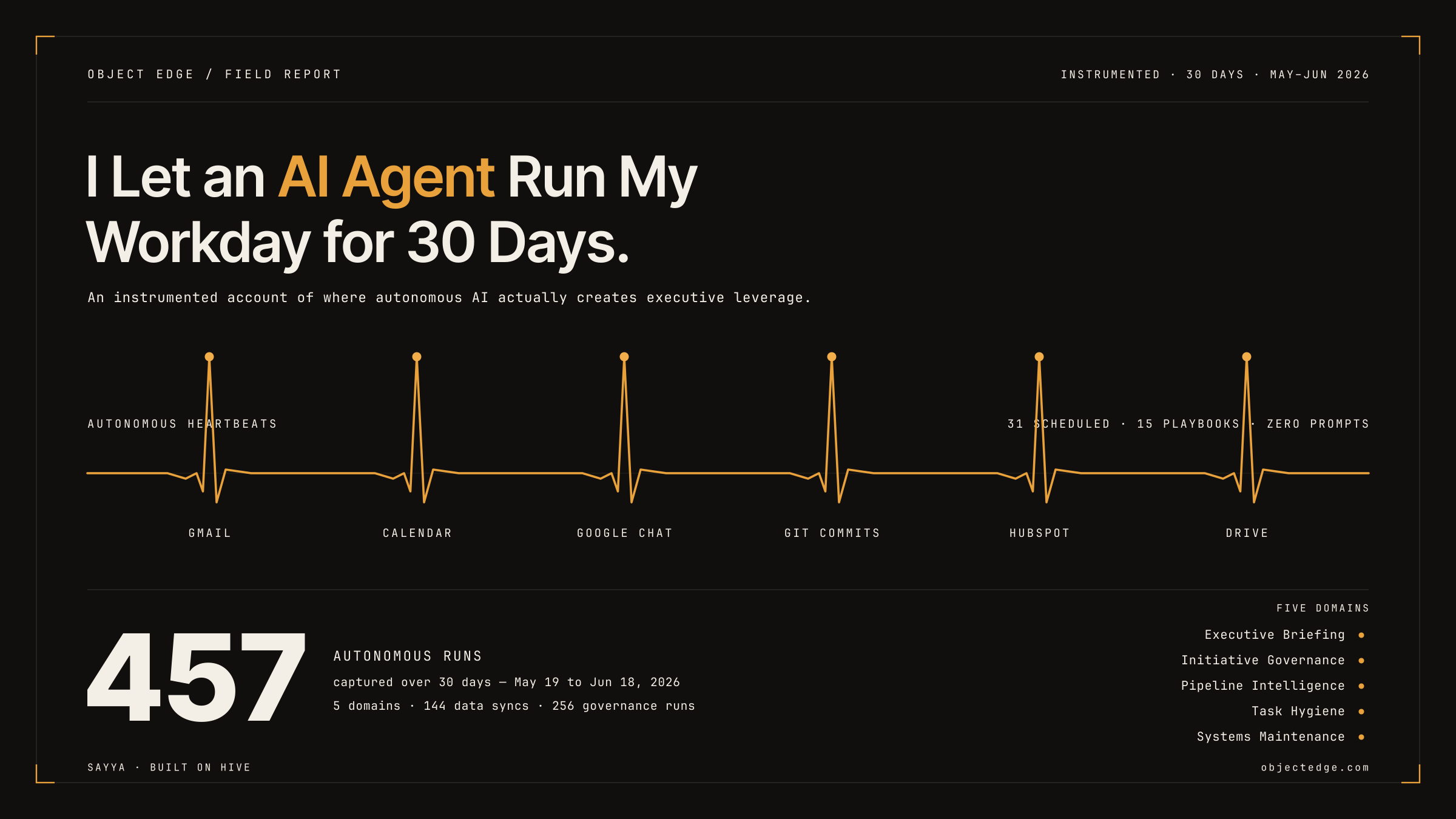
For 30 days, I let Sayya — an AI agent built on our Hive platform — operate as my executive copilot. Not as a chatbot I occasionally consulted. As an autonomous system that woke up before me, read my email, scanned my calendar, monitored my strategic initiatives, flagged delivery risks, and drafted my Monday pipeline deck before I’d had coffee.
I didn’t just “try AI.” I instrumented my actual workday and measured what happened. Here’s what 31 heartbeats, 15 playbooks, and 30 days of evidence taught me about where AI actually creates leverage for an executive.
The Setup
Sayya isn’t a general-purpose assistant. It’s wired into my actual digital surface: Gmail, Google Calendar, Google Chat, HubSpot, and Google Drive. It runs on a schedule — autonomous heartbeats that fire without prompting — and on demand through saved playbooks.
Over 30 days (May 19 – June 18, 2026), my usage clustered into five domains. Not the five I would have predicted.
Domain 1: Executive Briefing & Signal Synthesis
Every morning at 10 AM, Sayya produces a CEO Daily Brief. It synthesizes four surfaces — meetings, email, chat, and engineering commits — into a structured Google Doc with strategic threads, product direction, decisions that need attention, and radar items. Then it drafts an email to my leadership team.
This is the use case that gets the strongest reaction from other CEOs. Not because it’s technically impressive. Because it solves a problem every executive has: you cannot read everything, attend everything, and remember everything. The brief doesn’t summarize — it synthesizes. It connects dots across surfaces that a human chief of staff would need hours to trace.
Complementing this: a Daily Delivery Risk Brief that scans for project-level risk signals, and a Weekly Account Risk Scan that ranks active engagements by delivery, financial, staffing, and ownership risk.
The artifact that converts skeptics: a polished Google Doc that lands in your inbox before you start your day. Every executive I’ve shown one to immediately wants it.
Domain 2: Initiative Governance & OKR Tracking
I run four strategic initiatives with active daily monitoring: the Hive Ownership Plan, CTO strategic priorities, an e-commerce wedge evaluation, and COO accountability. Combined, these heartbeats ran 256 times in 30 days.
Here’s what each run does: it reads the initiative, compares key results to a reference document or sprint plan, scans the past 24 hours of emails, chats, and meetings for validated progress, and updates KRs only when evidence is unambiguous. No hallucinated progress. No “on track” when nothing moved.
This is the use case I didn’t expect to value as much as I do. Initiative governance is boring infrastructure. But the alternative — status meetings where people reconstruct what happened from memory — is expensive and error-prone. Sayya doesn’t ask for status. It observes it.
144 data pipeline resyncs. 256 initiative monitoring runs. 8 pipeline decks. These numbers represent work that previously required a human to initiate, remember, and execute — every single time.
Domain 3: Sales Operations & Pipeline Intelligence
Every Monday at 7 AM, Sayya pulls all open Hive opportunities from HubSpot, validates deal data, gathers the past week’s movement from meetings, emails, and chats, runs second-pass checks on sparse deals, and generates an executive Google Slides deck. It emails the deck to sales leadership automatically.
This replaced a manual process that took hours every Monday. The deck is better than what we produced manually — not because the slides are prettier, but because the evidence is richer. Sayya finds meeting notes and email threads that a human compiling a pipeline report would miss.
We also run a Contract Risk Signal Monitor — currently paused for refinement — that scans for open contract-risk signals, traces to the account owner, and drafts a risk email with evidence and next steps.
Domain 4: Personal Productivity & Task Hygiene
This is the least glamorous domain and possibly the most universally useful. Every morning, Sayya scans my open tasks, picks the top 2–3 priorities, reviews the next five business days on my calendar, and sends a Telegram message asking if I want time blocked for focus work.
A separate weekday cleanup heartbeat identifies duplicate tasks and misassigned items — the kind of digital clutter that accumulates when you’re in 30 meetings a week and tasks get created from every conversation.
16 cleanup runs in 30 days. Each one is a few minutes of cognitive overhead I didn’t spend.
Domain 5: Data Pipeline & Systems Maintenance
Every 12 hours, Sayya resyncs four structured data imports — COGS cards, project projections, forecast tabs, and OpenAir user lists. This ran 144 times in 30 days, making it the most frequently executed heartbeat.
It’s invisible infrastructure. Nobody sees it. But before this, someone was manually exporting CSVs and re-uploading them. Now it just works.
What I Wouldn’t Recommend (Yet)
Honesty matters in writing about AI, so here’s what didn’t make the cut:
WeGrow outbound automation is our most promising use case — signal-to-draft, relationship graph building, personalized outreach at scale — but it’s not yet a self-service heartbeat. It runs in demos and meetings, not autonomously. Productizing it is our top priority.
Task triage is universally useful but has low demo impact. It’s a retention feature, not an acquisition feature.
Data resync is critical infrastructure but impossible to demo compellingly. Nobody buys AI because it syncs their spreadsheets automatically — even if that’s the thing that saves the most calendar time.
The Honest Numbers
| Heartbeat | Runs in 30 Days | Output |
|---|---|---|
| Data Imports Resync | 144 | Live structured data |
| Hive Ownership Plan Review | 84 | Daily KR updates |
| CTO Strategic Priorities Monitor | 84 | Daily KR updates |
| COO Accountability Monitor | 76 | Telegram updates |
| Weekday Task Cleanup | 16 | Duplicate/misassigned task review |
| Weekly Account Risk Scan | 13 | Executive risk brief |
| E-commerce PM Pulse | 12 | Sprint KR monitoring |
| Daily Delivery Risk Brief | 11 | Google Doc + email |
| Weekly Pipeline Deck | 8 | Google Slides + email |
| CEO Daily Brief | 5 | Google Doc + Gmail draft + Telegram |
Total autonomous runs: 457 in 30 days. Each one is a task that previously required a human decision to initiate.
What This Means for Other Executives
If you’re a CEO, COO, or founder considering an AI copilot, here’s my honest take after 30 days of actual instrumented usage:
Start with signal synthesis. The CEO Daily Brief is the highest-ROI entry point because it attacks the fundamental executive problem: too much information, too little synthesis. It requires only email, calendar, and chat connectivity. Setup takes 30 minutes.
Add initiative governance second. If you have strategic initiatives with defined key results, automated daily monitoring eliminates the status-meeting tax. You still need human judgment for ambiguous signals, but you stop wasting time on “what happened this week?” conversations.
Pipeline intelligence is the easiest sell to your sales team. If you use HubSpot, the Monday pipeline deck is a 20-minute setup that replaces hours of manual work. Your VP of Sales becomes your internal champion overnight.
Don’t lead with infrastructure. Data resync and system hygiene are important but invisible. Lead with the use cases that produce tangible artifacts — docs, decks, and emails that people can read and react to.
The Bottom Line
I didn’t replace my chief of staff. I didn’t automate away judgment. What I did was eliminate the information-gathering tax that consumes the first two hours of every executive’s day.
Sayya doesn’t make decisions for me. It makes sure I have the right information, at the right time, from the right sources — so I can make better decisions faster.
That’s not an AI story. That’s a leverage story. And leverage is the only thing that scales.
Rohit Garewal is CEO of Object Edge, a technology consultancy that builds AI-native operating systems for mid-market companies. The analysis in this post is based on 30 days of instrumented Hive/Sayya usage from May 19 – June 18, 2026.
Related articles
-
ai
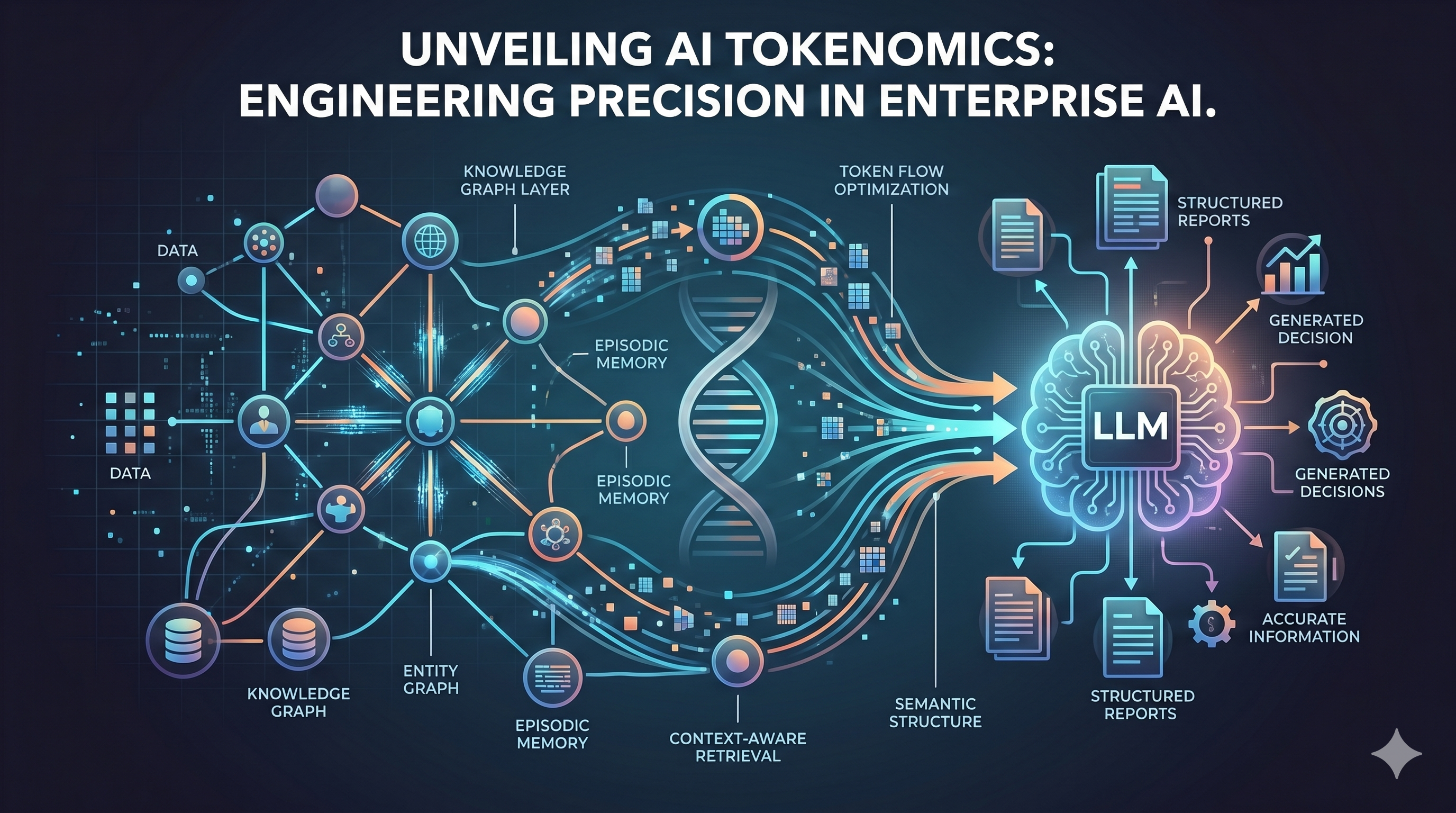
Tokenomics Is the New AI Efficiency Frontier — and Here's How We're Winning It
AI tokenomics is the discipline of managing token consumption at enterprise scale. Learn how semantic infrastructure, context-aware retrieval, and agent budgeting cut AI costs without sacrificing quality.
-

ai
AI copilots make teams faster — and harder to manage
AI copilots increase output, but they also create a clarity tax that delivery leaders must solve to turn speed into accurate delivery.
-
ai
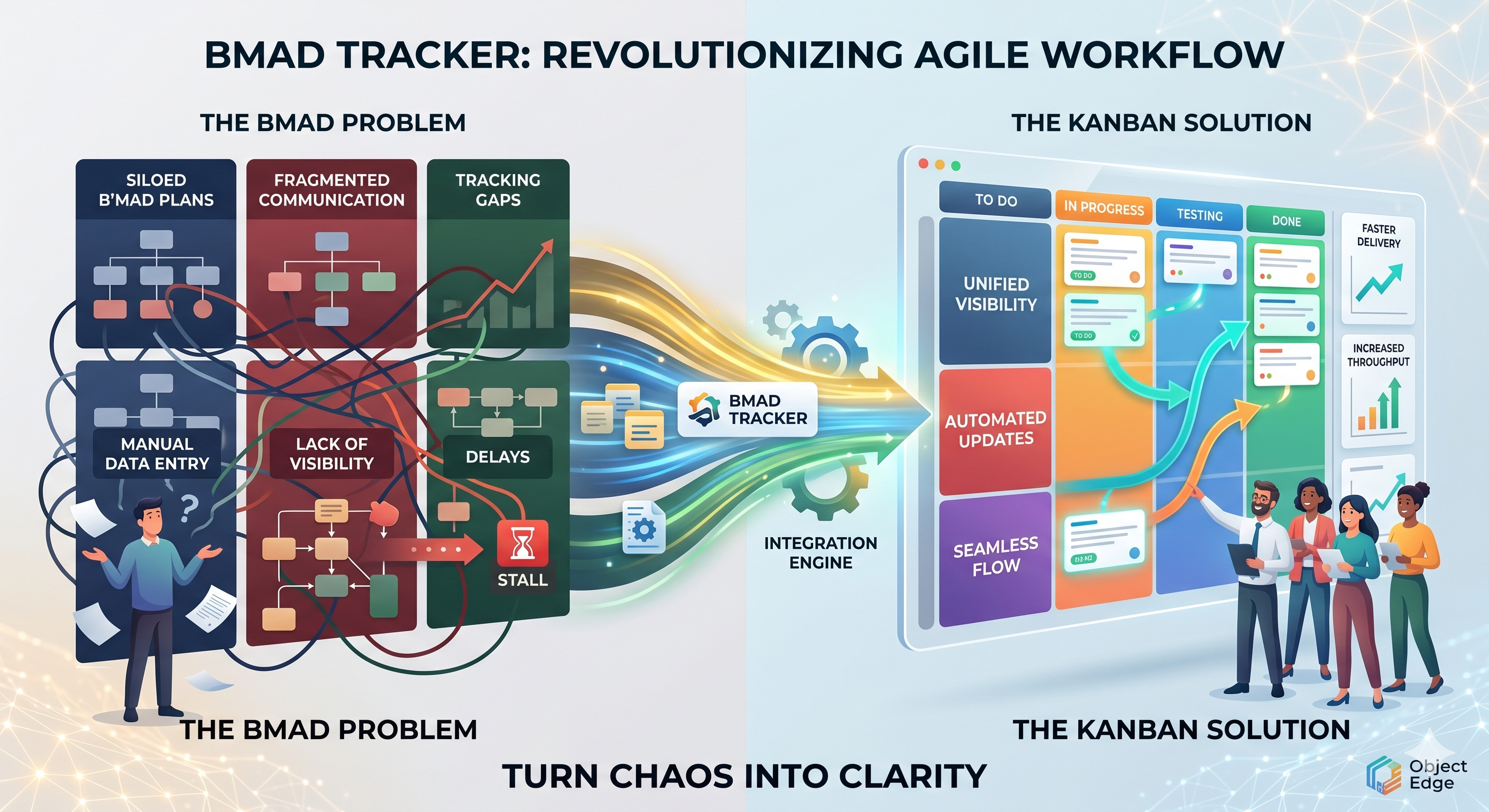
BMAD-Tracker: The Control Layer for BMAD-Based AI Software Delivery
How BMAD-Tracker operationalizes BMAD planning artifacts from GitHub into a Jira-style board, dashboard, and AI-assisted workflow for technical teams.